
Integrity UltraFibers – 13mm AR Glass Fibers for GFRC
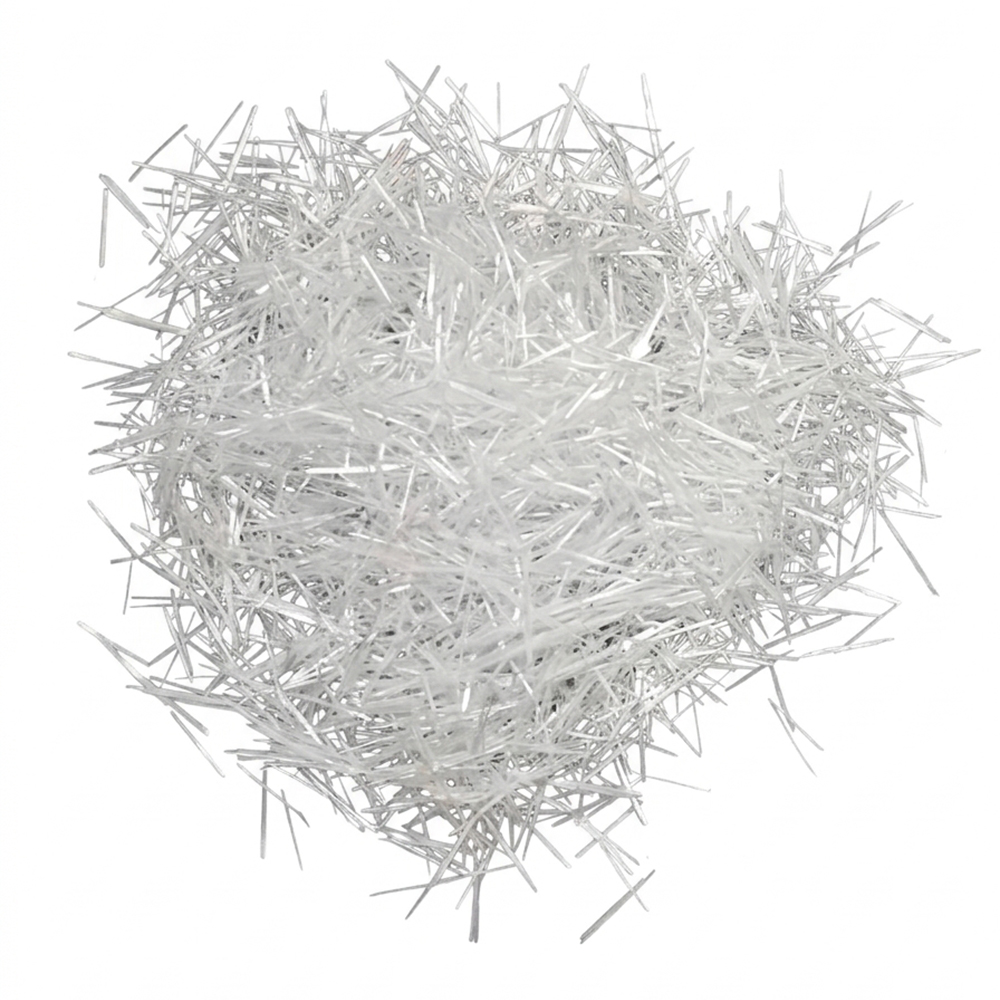
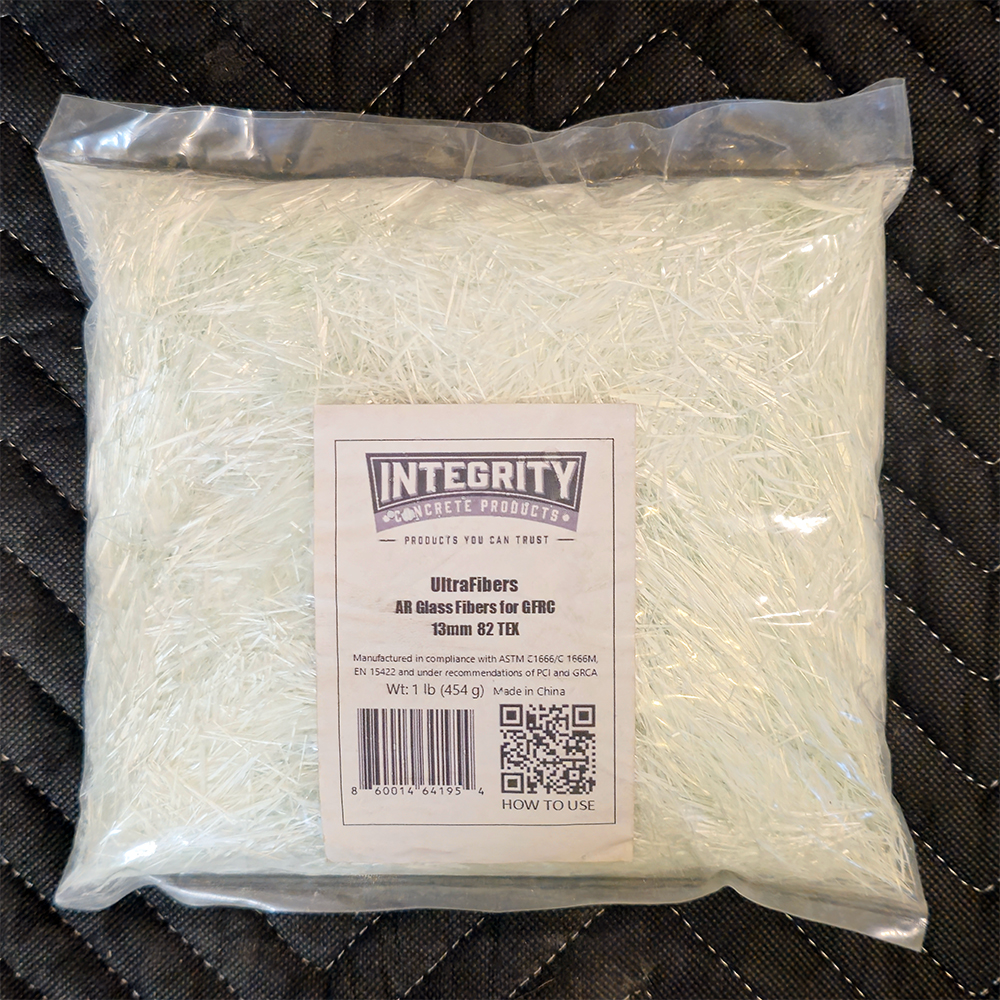

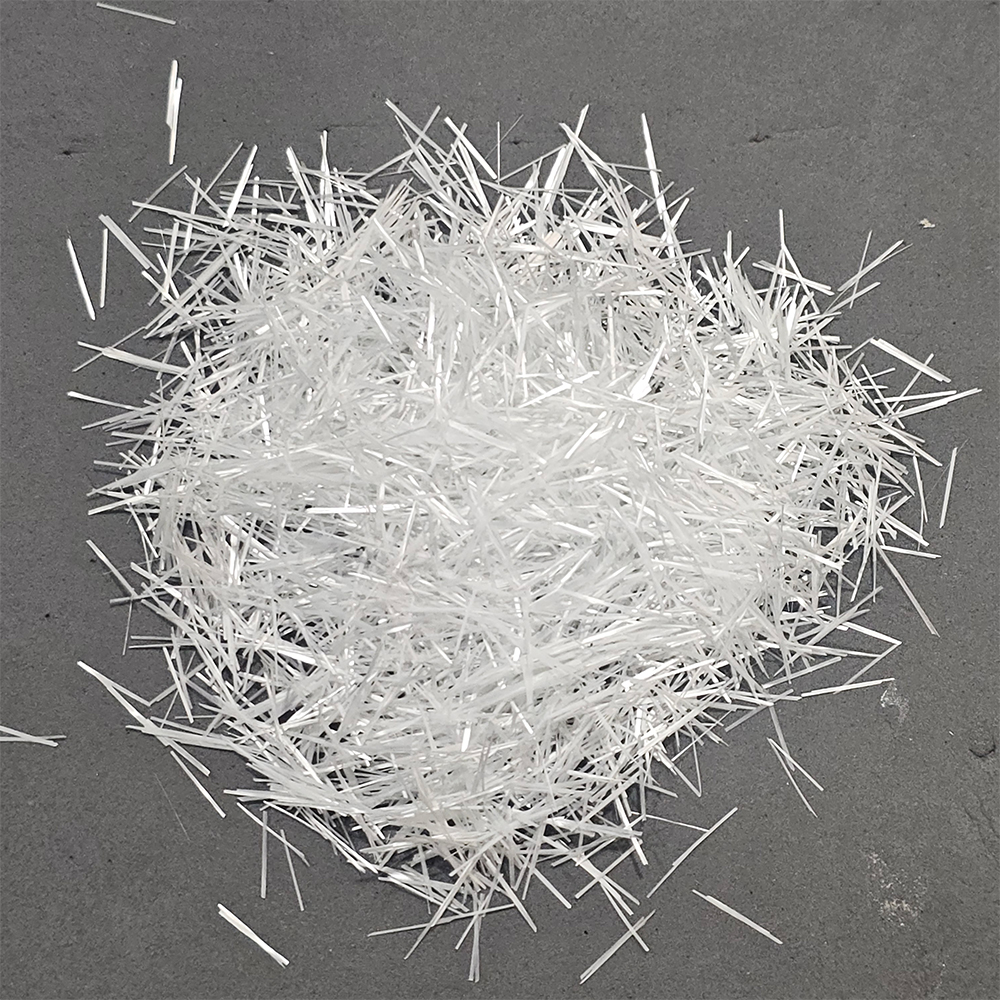
Integrity UltraFibers – 13mm AR Glass Fibers for GFRC
Price range: $12.99 through $273.95



Integrity UltraFibers are the best AR glass fibers for GFRC because they:
- Save you money | a 1.9% dose does the job of the 3% that conventional AR glass fibers need
- Make your concrete look better | finer 14 µm filaments and a shorter 13mm length are less visible in finished surfaces
- Make your concrete stronger | a proprietary sizing keeps the fibers from shredding during mixing
- Make your job easier | the fibers flow easily and smoothly during casting
- Durable in concrete | true alkali-resistant glass, with zirconia content meeting ASTM C1666 and EN 15422
Also for mortar, stucco and concrete – see dosing instructions.
See the Difference
Compare them to other GFRC fibers:
Shown: our previous 19mm UltraFibers.
See for yourself how easily concrete made with Integrity UltraFibers flows, and how invisible the fibers are in the finished surface:
How Much to Use
For GFRC, use 1.9% UltraFibers by total batch weight. That's everything in the mixer, including water, polymer and the fibers. With Integrity PowerBlend, it's simple: one 1 lb bag of UltraFibers per 45 lb bag of PowerBlend.
- For batch sizes with Integrity PowerPack or PowerBlend, see the GFRC mix recipes.
- For other mixes, see how to calculate fiber dosage in GFRC.
Complete dosing and mixing instructions for GFRC, mortar, stucco, parging and concrete: How to Use UltraFibers AR Glass Fibers
Why Lower Tex Matters
Each kilogram of Integrity UltraFibers has 65% more fibers than conventional thicker and heavier fibers. They also have higher than normal tensile strength.
This is because Integrity UltraFibers use smaller filaments: 14 µm filaments in 200 filament bundles. The bundles are 82 tex, which means that 1000 meters of a filament bundle would weigh 82 grams. Conventional AR glass fibers also use 200 filament bundles, but they tend to use 18 µm filaments and therefore are 135 tex.
This balance of a lower filament diameter, greater number of fibers, and higher than normal tensile strength results in a premix fiber that exhibits higher performance at lower doses. CCI recommends a fiber dose of 1.9% for these fibers, rather than the 3% dose required for conventional AR glass fibers.
Another key benefit to lower tex fibers is reduced visibility in direct cast concrete surfaces.
Sizing That Keeps Fibers Intact
"Sizing" is a thin, homogeneous coating applied to the surface of fibers during the manufacturing process to protect the filaments during handling. UltraFibers' sizing is a unique formulation that:
- Ensures excellent strand integrity during mixing - the fibers won't shred.
- Keeps the fibers bundled, so they don't break apart into fluff.
- Gives exceptional flow characteristics during casting - the fibers flow easily and smoothly.
Specifications
| Specification | Value |
|---|---|
| Fiber type | Alkali-resistant (AR) glass, integral chopped strands |
| Length | 13mm (1/2 inch) |
| Filament diameter | 14 µm |
| Filaments per bundle | 200 |
| Bundle weight | 82 tex |
| Recommended GFRC dose | 1.9% by total batch weight |
| Zirconia content | Complies with ASTM C1666/C1666M-07 and EN 15422 |
| Bag sizes | 1 lb and 20 kg (44 lb) |
Integrity chopped AR glass fibers are manufactured with a zirconia content in compliance with ASTM C1666/C1666M-07 and EN 15422 and under the recommendations of PCI and GRCA.
Frequently Asked Questions
What changed with the switch from 19mm to 13mm?
The length and the recommended dose. The 13mm fibers use the same 14 µm filaments, 82 tex bundles and sizing as our 19mm fibers, but the recommended GFRC dose is now 1.9% by total batch weight, down from 2.5% for the 19mm fibers. The shorter length also flows even more easily and is even less visible in finished surfaces.
Why is the dose lower than other AR glass fibers?
Finer filaments mean about 65% more fibers per kilogram, so less fiber by weight does the job. CCI recommends 1.9% for UltraFibers, compared with the 3% typically needed for conventional AR glass fibers.
What's the difference between E-glass and AR glass?
E-glass is ordinary fiberglass. Cement is highly alkaline, and over time it weakens E-glass fibers. AR glass contains zirconia, which resists that attack. Many inexpensive "fiberglass for concrete" products are E-glass.
Will the fibers show in my finished surface?
UltraFibers' finer filaments and shorter length show less than conventional AR glass fibers. Any glass fiber can still show if it ends up at the surface, especially after grinding or polishing.
Can I use UltraFibers in mortar, stucco or regular concrete?
Yes, at lower doses than GFRC. See how to use AR glass fibers for dosing and mixing instructions for each type of mix.
Q & A
 Integrity UltraFibers - 13mm AR Glass Fibers for GFRC
Reviews
Customer photos and videos
Integrity UltraFibers - 13mm AR Glass Fibers for GFRC
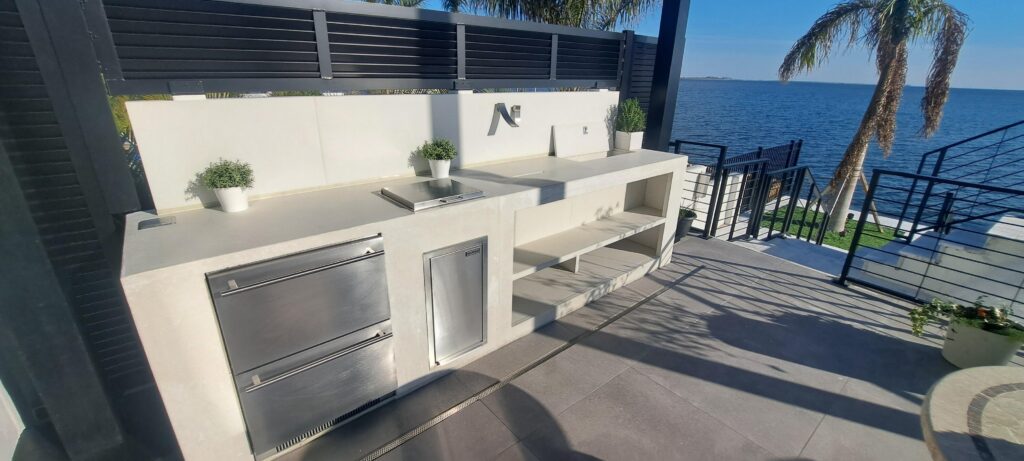
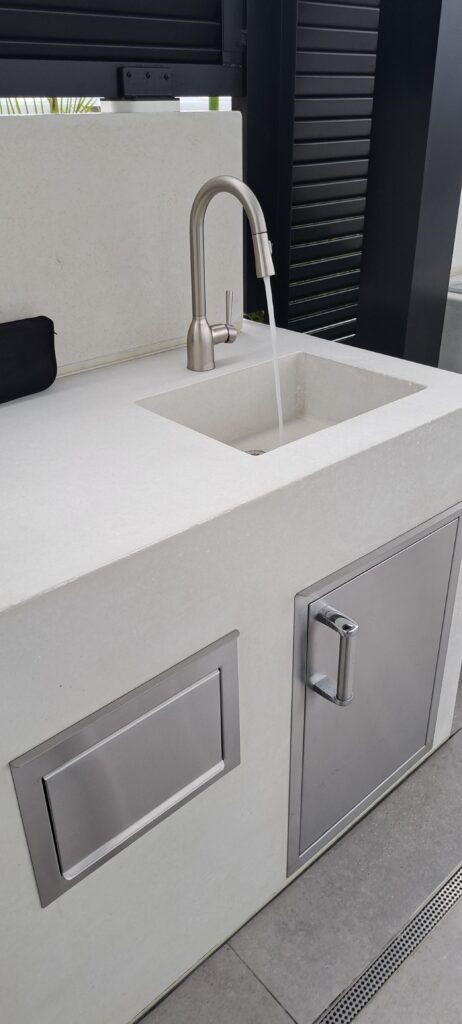
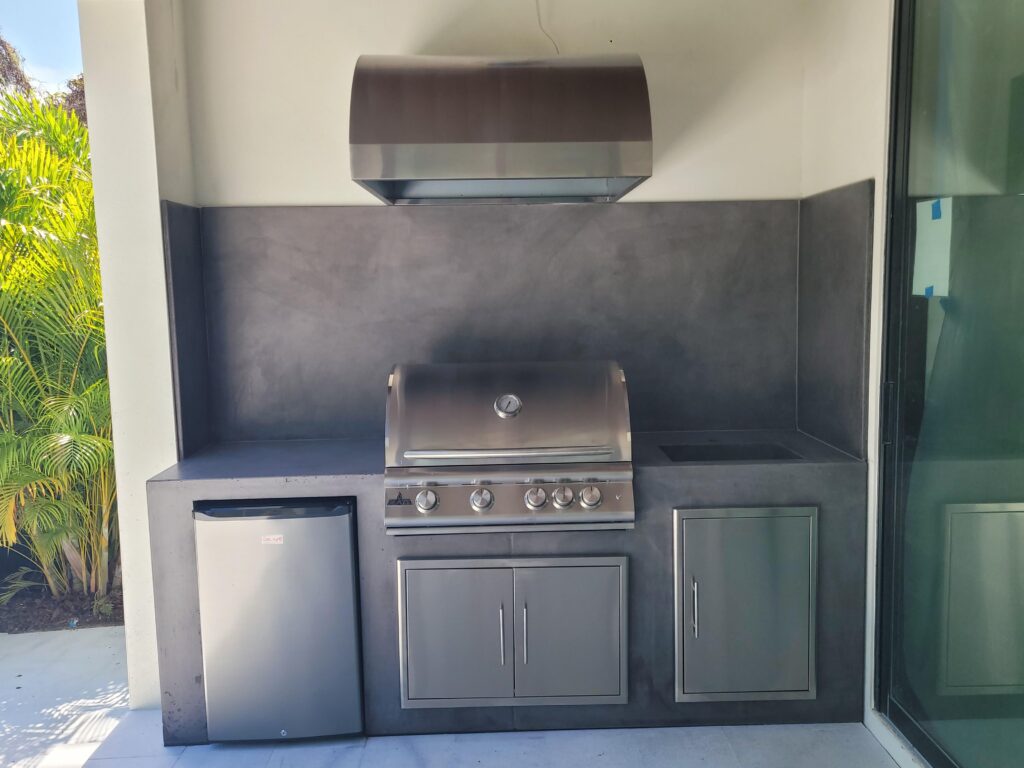
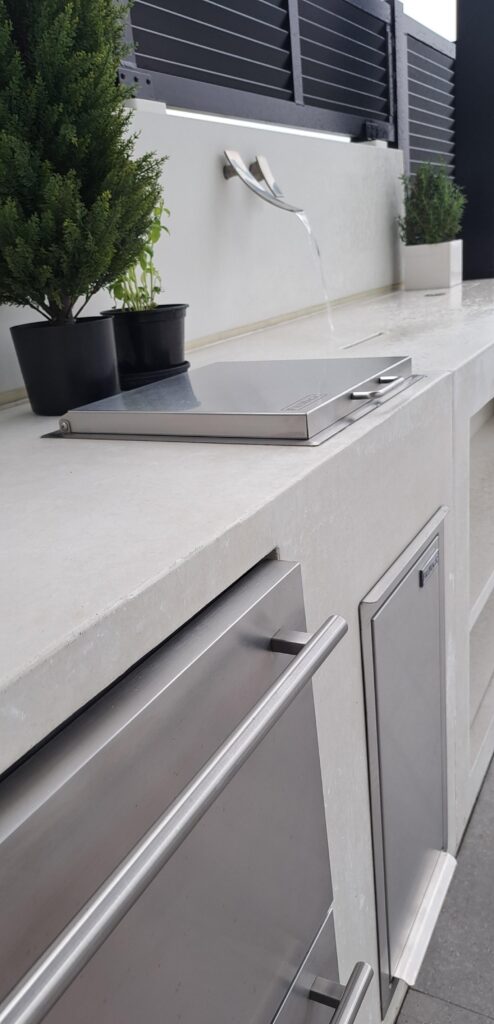
We used this in our backer layers. Jeff we used rollers to pack and align the strands as you suggested. I think it will be well worth the extra time for this program. Thanks again.
We use 2 pounds of Integrity Ultra fiber for every bag of portland in our mix design. I can’t be happier with the results. We have never had an issue great fiber to work with. Thank you.
The flow ability of these fibers are so good. Also they don’t unbundle while mixing. A huge upgrade from the NEGA fiber I previously used.
My experience with the Alpha Pro 19mm AR Glass Fibers has been excellent. The mixability, flowability, and exposure has performed great to date. Specifically, when doing direct cast (with no mist coat), we have had very little exposure of the fibers with a 200-grit polish. We seem to have more dense concrete (less pin holes) as well when used with the other Alpha products.